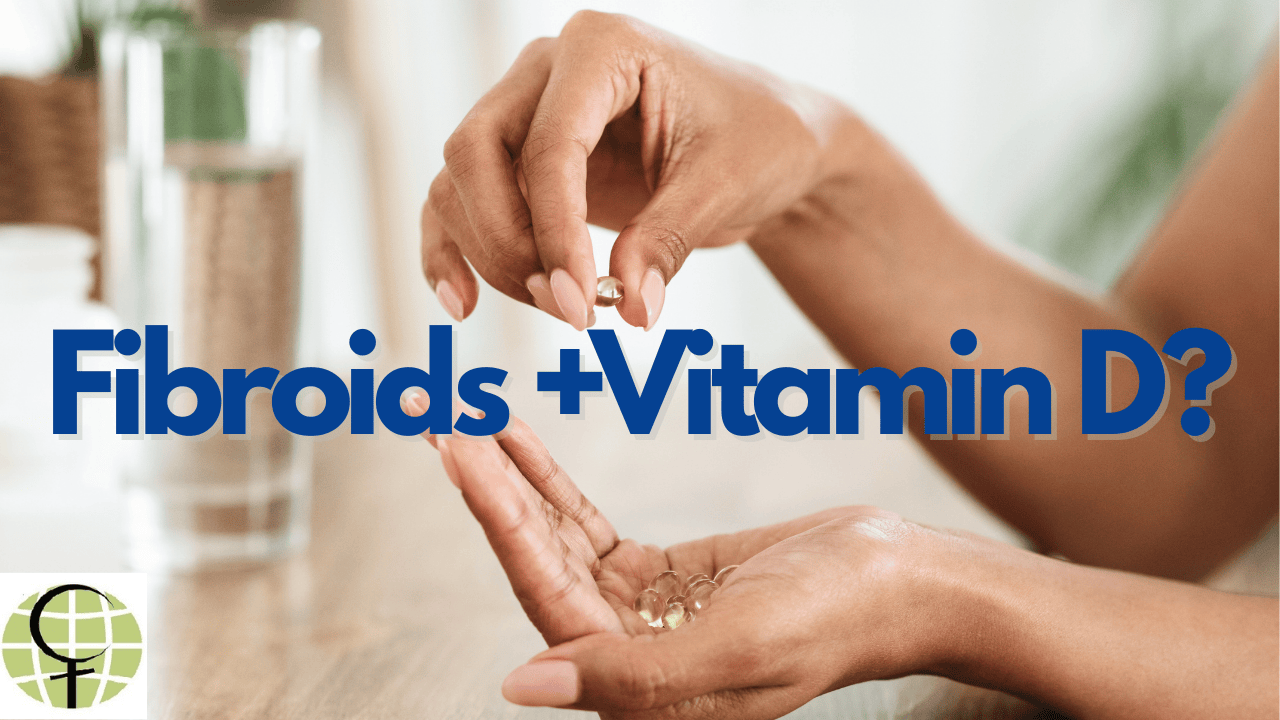
Fibroids are incredibly common, and while women of all backgrounds experience them, Black women often experience them earlier, bigger, and with more symptoms. Many women quietly suffer through heavy bleeding, fatigue, anemia, pain, or fertility struggles—often for years.
What many women don’t know is this:
🌞 Vitamin D might play a role in fibroid growth.
And because Black women are more likely to have vitamin D deficiency, this may be an important—but overlooked—piece of the fibroid story.
⭐ What the research says (in plain language):
1. Vitamin D deficiency is extremely common among Black women.
- More melanin = less natural vitamin D from sunlight
- Many women work indoors
- Supplementation isn’t routinely discussed
2. Studies show vitamin D may help slow fibroid growth
Research from the past 10 years shows:
- Women with low vitamin D are more likely to have fibroids
- Deficiency is linked to larger and faster-growing fibroids
- Small studies show supplementation may help slow growth—especially in smaller fibroids
3. Vitamin D affects key pathways involved in fibroid development
Scientists believe vitamin D may:
- Slow down fibroid cell growth
- Influence hormones that feed fibroids
- Reduce inflammation
- Affect pathways that regulate tissue growth
This is promising—but understudied.
⭐ Why haven’t you heard this before?
Because:
- Fibroids receive far less research funding than conditions with lower impact
- Low-cost treatments get less attention than surgeries
- And women—especially Black women—are often left out of clinical studies
As a result, many women with fibroids are never tested for vitamin D levels and never told about this research.
⭐ What’s coming next: A new nationwide survey
In January, Dr. Sharan Abdul-Rahman is launching a survey for women with fibroids to understand:
- Are women being tested for vitamin D?
- Are doctors discussing deficiency?
- What treatments are offered?
- How are fibroids affecting daily life?
Your voice matters—and your answers will help shape future research.
⭐ Why this matters for YOU
Vitamin D is:
- Affordable
- Widely available
- Safe when taken as recommended
- And potentially helpful for slowing fibroid growth
We need stronger studies—but women deserve to know the early evidence now.
⭐ What you can do today
Ask your clinician:
- “Can we check my vitamin D level?”
- “If it’s low, what dose is safe for me?”
Consider testing especially if you have:
- Darker skin
- Indoor lifestyle
- Fatigue
- Fibroids
- Heavy bleeding or anemia
- A history of deficiency
Aim for levels in the optimal range
(Your clinician will guide you.)
⭐ The bottom line
Fibroids take enough from women—your energy, time, joy, peace, and health.
Vitamin D might be one piece of the puzzle we’ve overlooked for too long.
And together, through research, conversation, and community, we can change that.

Am I Truly Invisible? How Treatment Limitations and Research Priorities Shaped Fibroid Care
 Apple Podcasts
 Spotify
 Castro
 RSS Feed